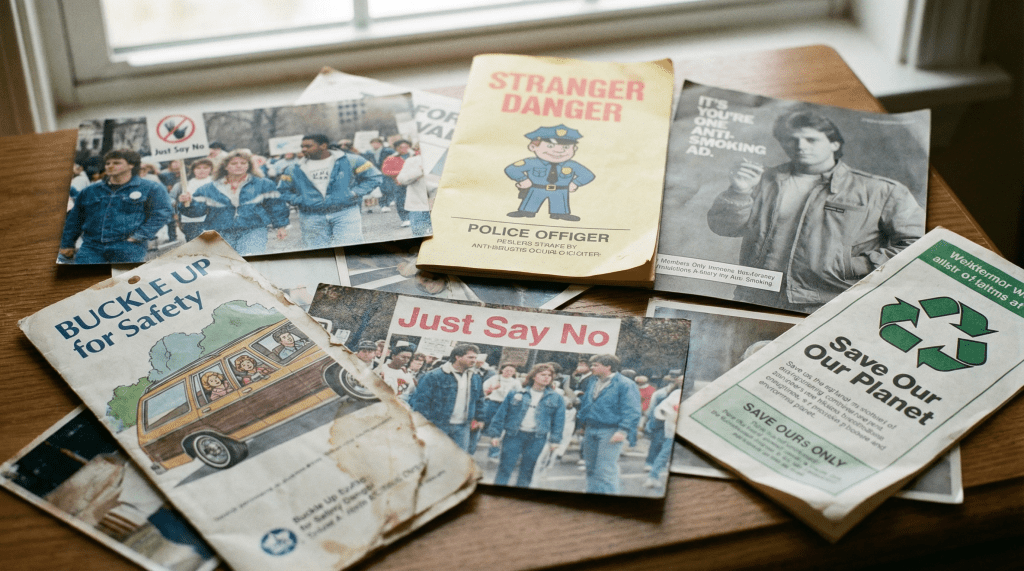
I grew up in a neighborhood where cable TV wasn’t a given.
Most of us in Cypress Hills, Brooklyn were working with channels 2 through 13. And if you had a friend with a satellite dish, that felt like visiting the future. I remember one sitting in a front yard like a spaceship, pulling in signals the rest of us couldn’t even imagine.
But honestly? We didn’t feel like we were missing much.
Because we knew exactly when to tune in.
Afternoon cartoons. After school specials. The shows that felt like they were made for us.
And in between them—those short, unforgettable moments that stuck.
You know the ones.
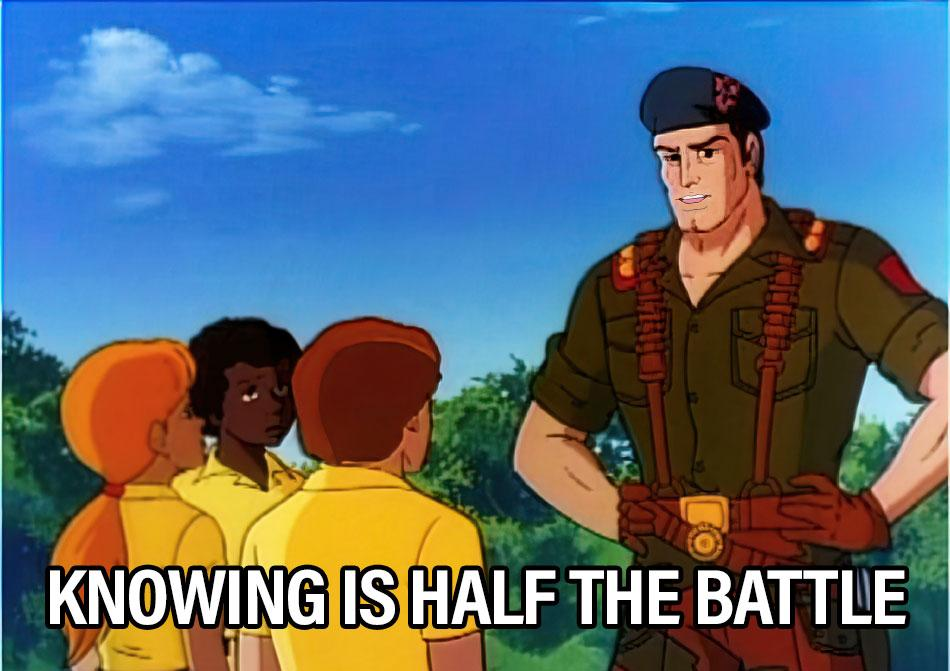
“Knowing is half the battle.”
“Reading is fundamental.”
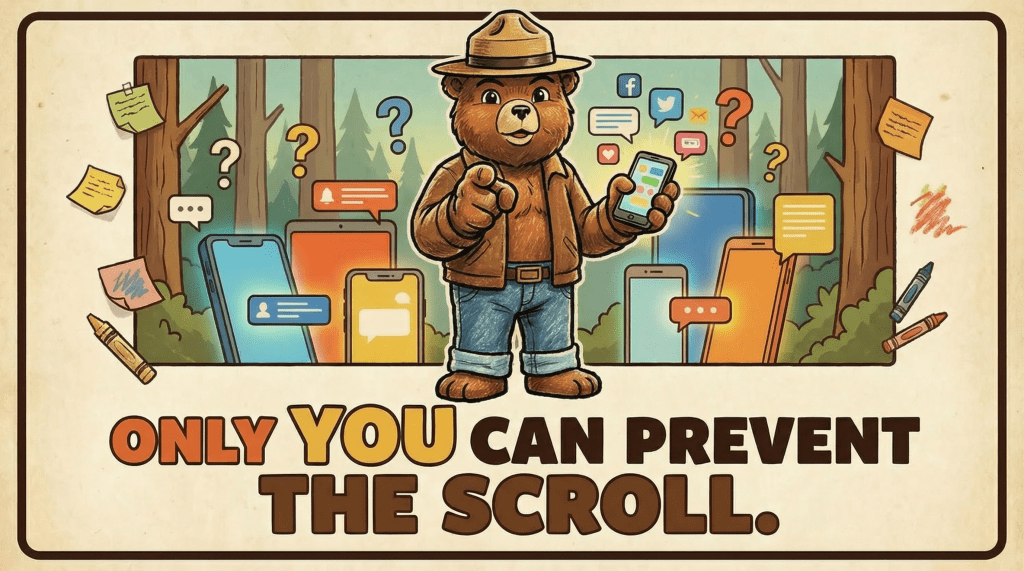
“Only you can prevent forest fires.”
Simple. Direct. Almost like little fables.
They didn’t try to be everything.
They didn’t try to reach every audience at once.
They just… spoke clearly.
Like Aesop with a TV slot.
Now, I’m not romanticizing the past like it was some innocent fairytale.
There were wars happening. Political agendas. Media shaping narratives just like it does today. America has never been free of that.
But here’s the difference I can’t shake:
They still carved out space to speak to children in a way that felt grounded.
They gave us something to hold onto after the chaos of the nightly news.
A moral. A warning. A tool.
Something we could actually use.
Fast forward to now—and I look at what’s being called a “message” for kids—and it doesn’t feel like a message at all.
It feels like…
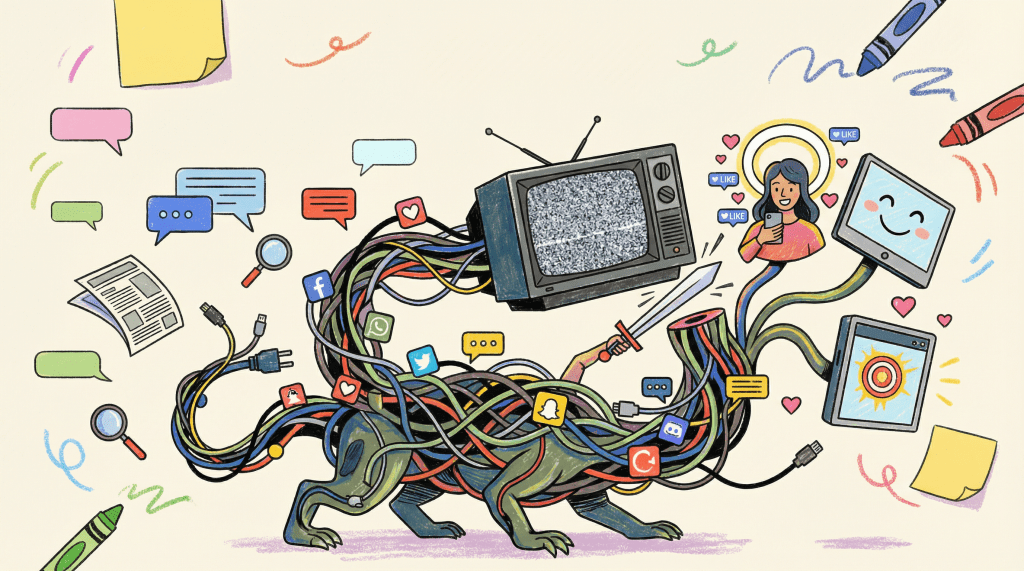
A Hydra.

Everywhere you turn, there’s another voice.
Another “lesson.”
Another influencer.
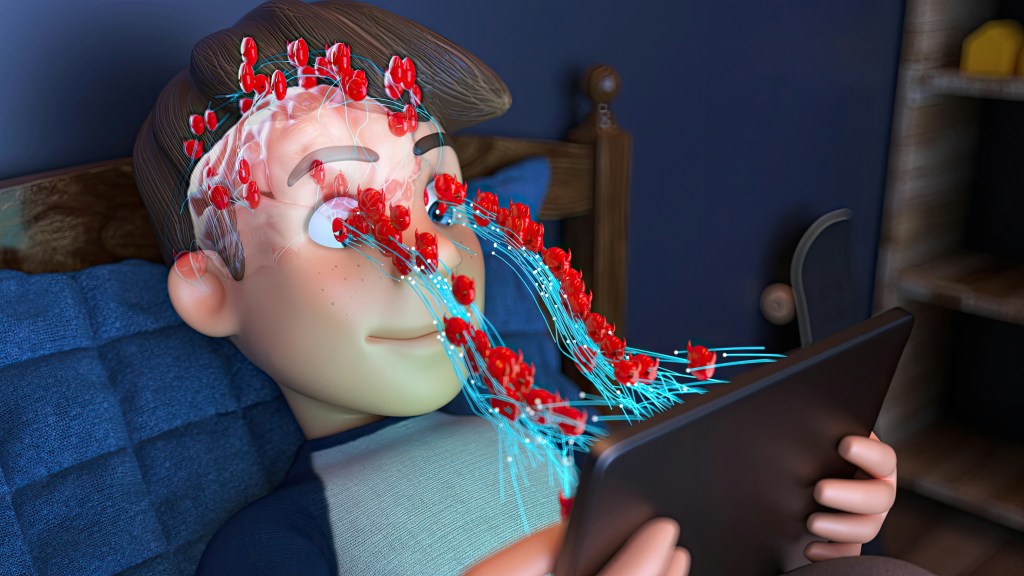
Another algorithm deciding what your child should see next.
Cut one message off—ten more grow back.
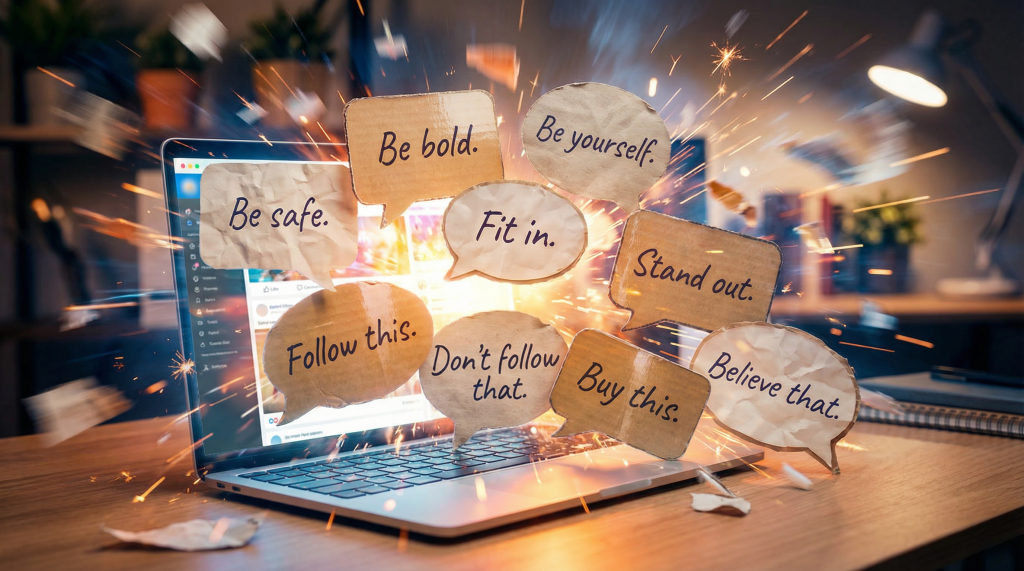
Be safe.
Be bold.
Be yourself.
But fit in.
But stand out.
But follow this.
But don’t follow that.
But buy this.
But believe this.
But question everything—except what’s trending.
And somewhere in all that noise…
The original idea of a PSA—Public Service Announcement—gets lost.
Because who is being served now?
Back then, the message didn’t need a brand deal.
It didn’t need a follower count.
It didn’t need to go viral.
It just needed to land.
And it did.
We remembered it.
We repeated it.
We lived it—at least enough to know to pick up a book or not to play with matches.
Now?
The “announcements” aren’t really announcements.
They’re performances.
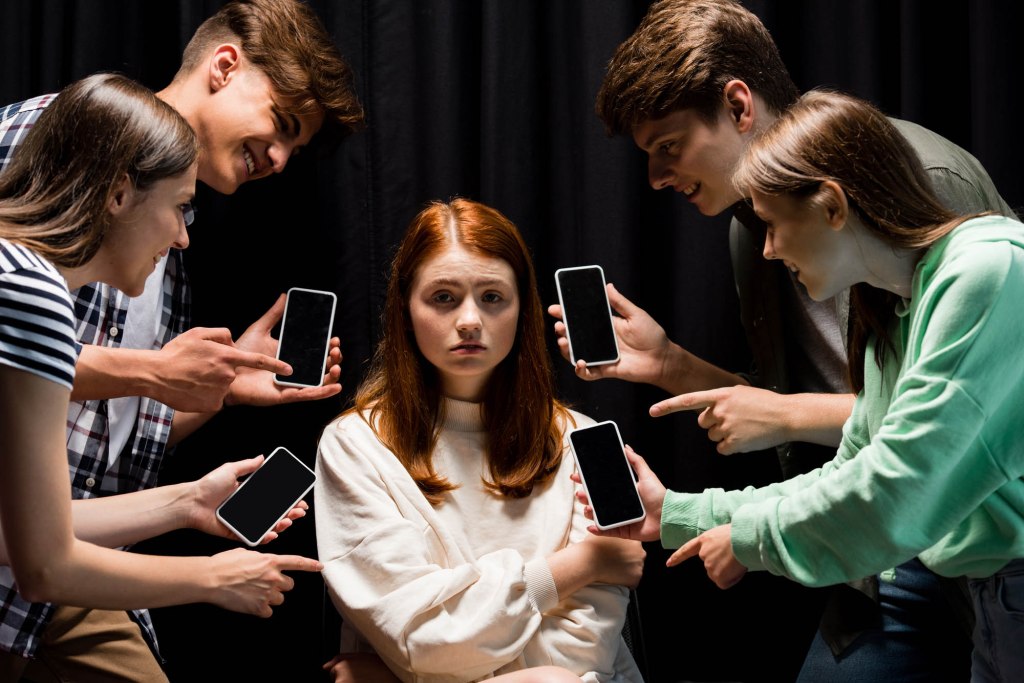
Everyone is talking at our kids.
Very few are speaking to them.
And that difference matters more than we like to admit.
Because when everything is a message…
Nothing is clear.
When every voice claims authority…
No voice is trustworthy.
And when guidance starts to look like a content stream…
Kids don’t know what’s meant to help them—
and what’s just meant to capture them.
I’m not saying we need to go backwards.
There are incredible tools now—ways to educate, connect, and empower young people that we didn’t have.
But somewhere along the way…
We lost clarity.
We traded “Knowing is half the battle”
for a thousand competing voices all shouting different battles at once.
In a world full of announcements…
who is actually speaking for the public’s service?
By Amy Biancolli
 Disappearing Sidewalks